Welcome to Monthstalgia, a new monthly series where I dig into geeky things I remember fondly from the past. Books, games, software, obscure tech—anything that left a mark on my younger self.
The catch? These are memories, not reviews. Some of these things I haven’t touched in decades. And sometimes, I’m keeping it that way on purpose.
Wyrm (1998) by Mark Fabi
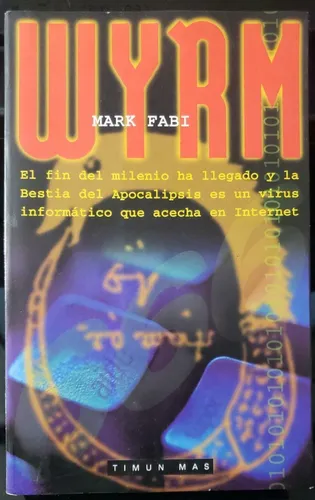
There’s a specific category of books from your formative years: the ones you loved so intensely that you’re now terrified to reread them.
Wyrm is one of those for me.
I read it as a teenager in the late 90s, probably around 1999 or 2000. At the time, it felt like the book was written specifically for my interests. Computers? Check. Chess? Check. Tabletop role-playing games? Check. A thriller plot tying them all together? Absolutely check.
What I Remember
The novel follows a computer chess program that becomes something… more. The story weaves together:
- Computer science and AI — before machine learning was mainstream, when chess programs were the benchmark for artificial intelligence
- Chess — not just as background flavor, but as a central element of the plot
- Tabletop RPGs — specifically, a fictional game that becomes eerily significant
- 90s internet culture — back when cyberspace still felt mysterious and slightly dangerous
The convergence of these elements felt genuinely original. Most techno-thrillers of that era treated computers as magic boxes. Wyrm felt like it was written by someone who actually understood the culture—the late-night coding sessions, the obsessive chess analysis, the elaborate fantasy worlds built around a table with dice and character sheets.
Why I Won’t Reread It
Here’s the thing about formative books: they exist in a specific context. I was a teenager. The internet was still novel. AI meant chess programs and chatbots, not large language models. The convergence of geek subcultures that the book celebrated was still somewhat niche.
If I reread Wyrm today, one of two things happens:
- It holds up, and I discover it’s genuinely good—which would be wonderful but somehow feels unlikely
- It doesn’t hold up, and I lose something precious—a perfect memory replaced by a flawed reality
I choose to keep the memory.
Some things are better preserved in amber than examined under fluorescent light. And this doesn’t just apply to books—it’s true for places you’ve visited that felt magical at the time, food that tasted perfect in a specific moment, or even personal interactions that meant something precisely because of who you were then.
Should You Read It?
If you have nostalgia for late-90s geek culture—when chess, D&D, and hacking felt like a secret shared language—Wyrm might resonate. The book captures a moment when these subcultures were starting to converge but hadn’t yet been absorbed into the mainstream.
Just don’t ask me if it’s “good.” I genuinely don’t know anymore. I only know it was good for me, at that time, and that has to be enough.
Monthstalgia is a monthly series about geeky things I remember fondly. Next month: another memory I may or may not have the courage to revisit.